
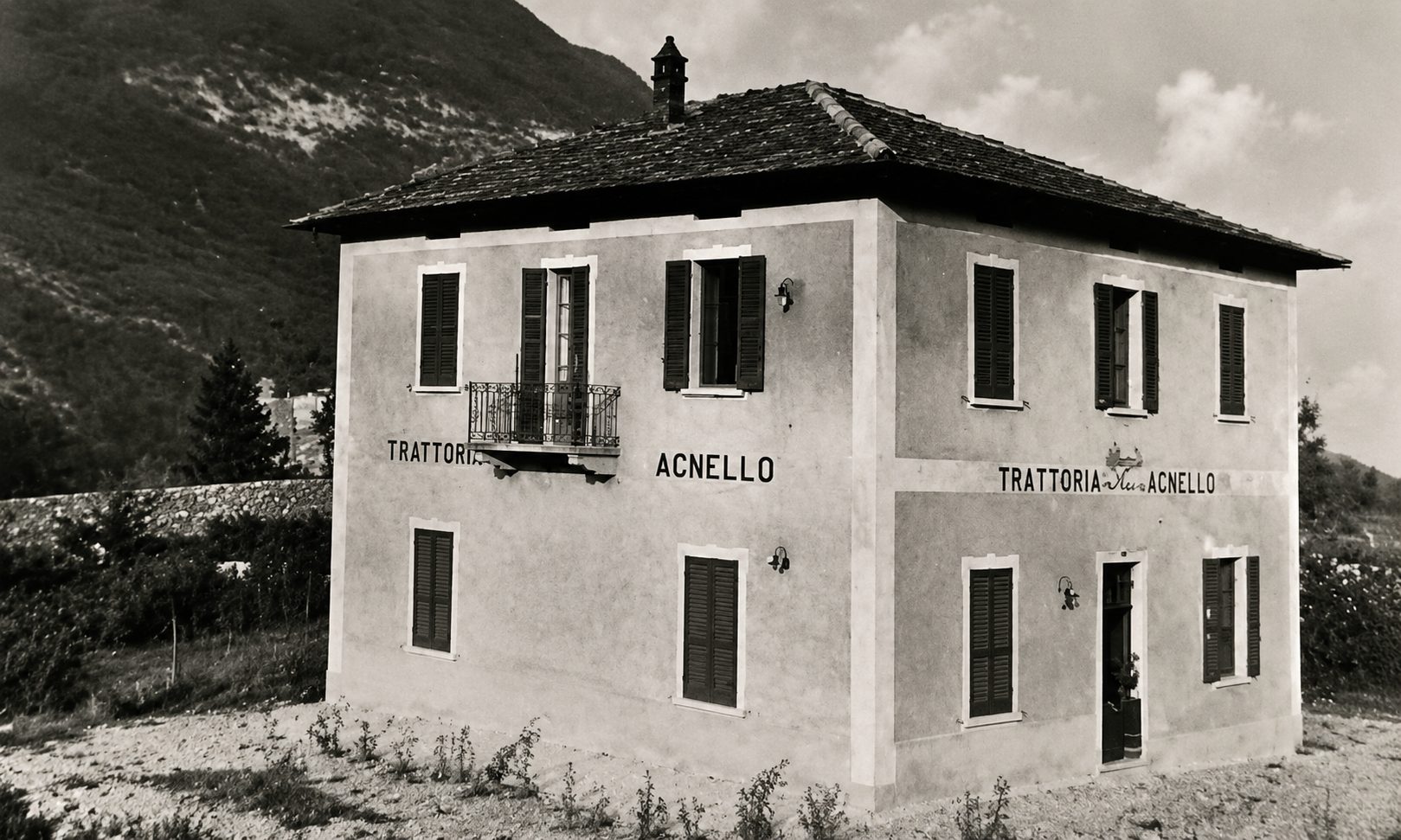
Our History
More than a century of family history, hospitality, resilience and tradition. A story that survived wars, welcomed travellers from all over Europe and continues today with Marika and Marco.
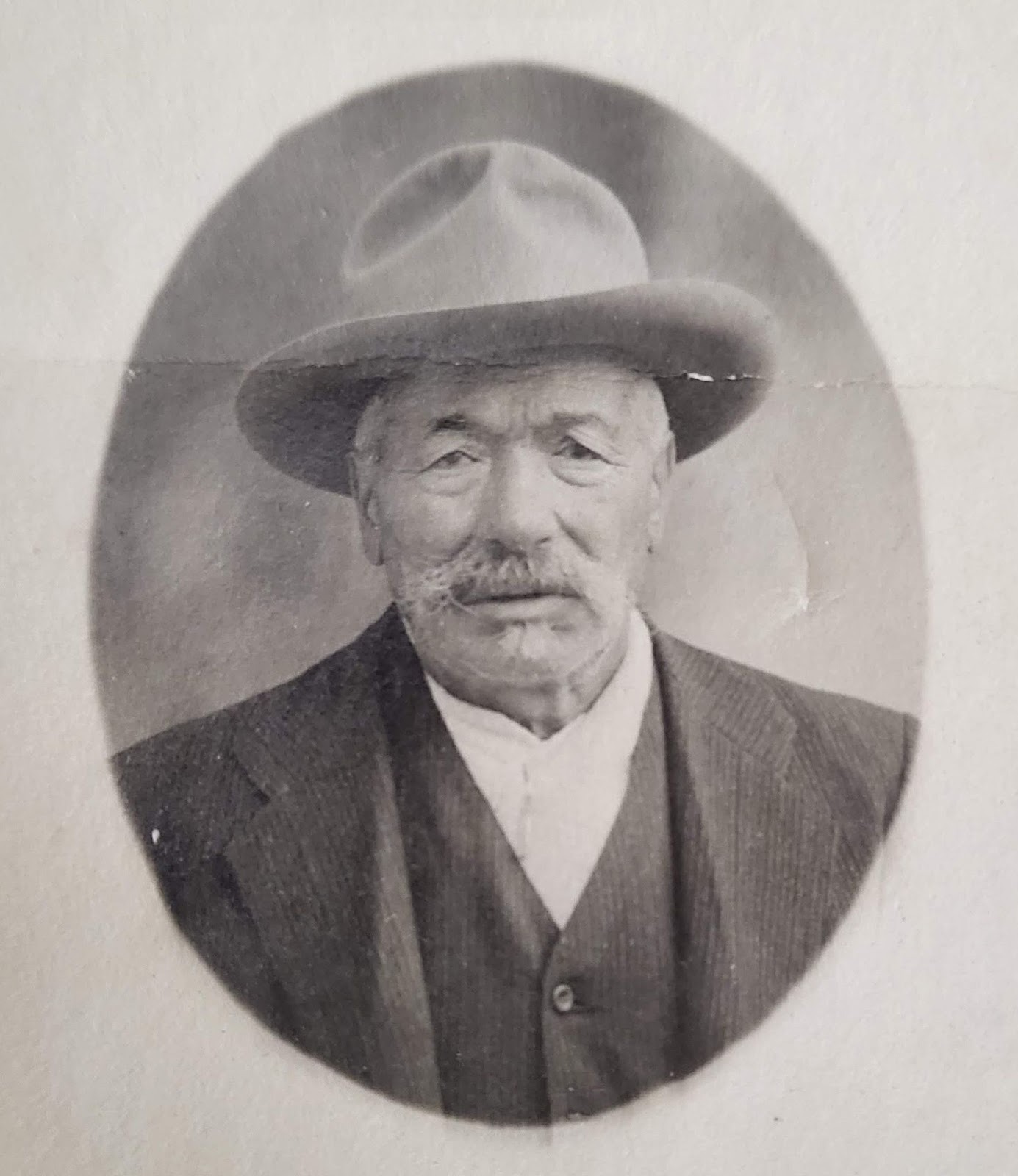
Defendente Carmati
The origins of the Agnello date back to the late nineteenth and early twentieth centuries and are closely linked to the Carmati family.
At that time, Defendente Carmati, a veteran of Garibaldi's famous Expedition of the Thousand, owned several businesses in the hamlet of Naggio and regularly travelled between the valley, the lakeside port of Menaggio and the city of Como to purchase supplies and merchandise for his shops.
These journeys were often long and demanding and required considerable effort from both men and animals.
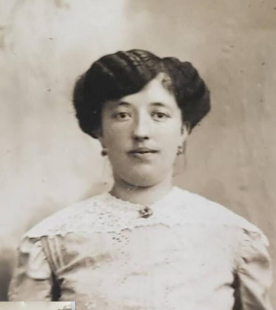
Dina Carmati
Recognising the need for a stopping point before the steep climb to Naggio, Dina Carmati, Defendente's sister, envisioned the construction of a warehouse in Cardano, a small hamlet located lower down the valley.
With the support of Defendente and the men who worked for him, a warehouse and cellar were built, providing shelter, refreshments and storage for food and wine.
What began as a practical structure for work and trade would eventually become something much more important for future generations.
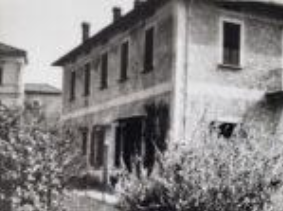
The First Agnello
This modest warehouse and cellar gradually evolved into a house and, over time, became the first nucleus of what would later be known as the Agnello.
Built to support trade and travel, it soon became a welcoming place where people could rest, eat and find shelter before continuing their journey through the valley.
Without anyone realising it at the time, the foundations of more than a century of hospitality had already been laid.
Dina & Angelo
Over time, the warehouse gradually evolved into a house and eventually into a place of hospitality.
Dina and her husband Angelo opened a tavern and a grocery shop, laying the foundations for a family business that would serve travellers and local residents for generations.
The tavern later became a restaurant and eventually an inn with accommodation. As the hospitality business expanded, the grocery shop was closed to make room for the growing inn.
Under the care of Dina and Angelo, the Agnello became known for its warm hospitality, homemade cuisine and Angelo's exceptional wine.
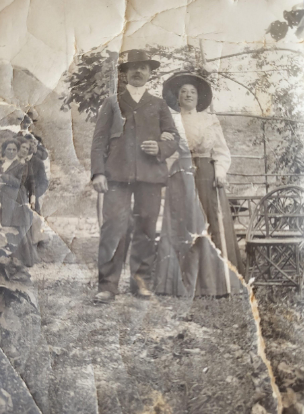
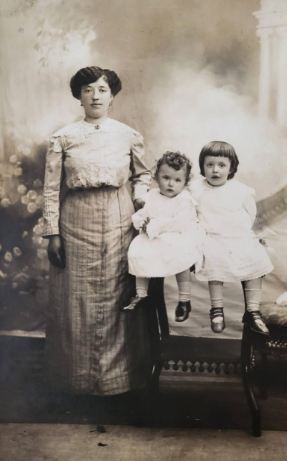
Dina, Anita & Giovanna
The years passed, bringing both prosperity and hardship. Even the First World War could not stop the development of the Agnello.
During these years, Dina and Angelo raised their daughters, Anita and Giovanna, who grew up surrounded by guests, travellers and the daily life of the inn.
The Agnello gradually became a respected guest house with a bar, restaurant and comfortable rooms, appreciated throughout the valley for its authenticity and welcoming atmosphere.
Anita
Anita dedicated much of her life to preserving the traditions and hospitality that had made the Agnello a beloved destination throughout the valley.
Together with her family, she carried forward the values inherited from Dina and Angelo, ensuring that the Agnello remained a welcoming place through decades of social and historical change.
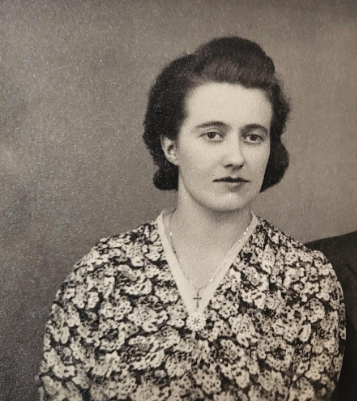
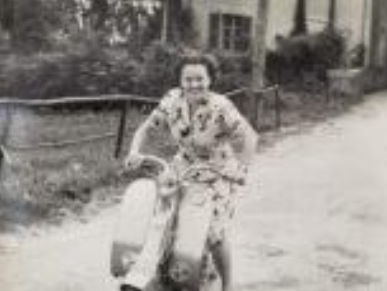
Giovanna
Alongside her sister Anita, Giovanna helped guide the Agnello through some of the most challenging periods of the twentieth century.
Their dedication ensured that generations of guests continued to experience the warmth and authenticity that had always defined the house.
World War II
Unfortunately, the 1940s brought the tragedy of the Second World War.
During those difficult years, the nearby Hotel Miravalle became the headquarters of members of the Decima MAS, a military unit associated with the Fascist regime during the final phase of the conflict.
At the same time, the Agnello became a place of refuge for people fleeing the dangers of war and persecution, including two distinguished Jewish professors.
The Attack
One night, armed members of the Decima MAS repeatedly opened fire on the Agnello with machine guns.
The attack was intended as a warning and was accompanied by explicit threats against both the owners and the people they were protecting.
The guest house was evacuated and the two professors fled to Switzerland.
They promised to contact the family after the war, but sadly they were never heard from again.
Mussolini's Last Journey
On 26 April 1945, Benito Mussolini stopped at the Hotel Miravalle in Grandola while attempting to reach the Swiss border.
Permission was never granted and the following day he resumed his journey northward, entering the final chapter of his life.
During Mussolini's stay in Grandola, members of the Decima MAS stripped the Agnello of nearly everything of value. Mattresses, blankets, sheets, crockery and supplies were taken in order to prepare accommodation for Mussolini and his entourage.
When the owners later attempted to recover what had been stolen, nothing remained.
Anna & Enrico
In the 1970s, Anna, daughter of Anita and granddaughter of Dina and Angelo, together with her husband Enrico, transformed the Agnello into a popular pizzeria while continuing the family's long tradition of hospitality.
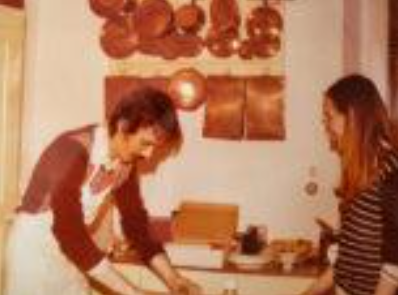
1995
After nearly a century of activity, the Agnello closed its doors.
For many years, the building remained silent, preserving within its walls the memories of generations of family life, hospitality and history.
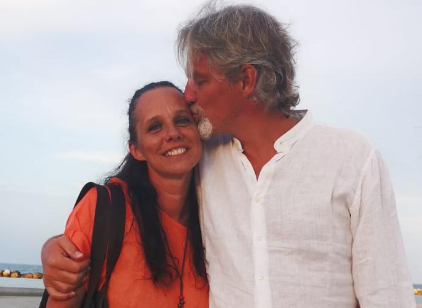
Marika & Marco
Today, the Agnello has come back to life thanks to Marika, daughter of Anna and Enrico, and her husband Marco.
Inspired by the extraordinary history of this house, they chose to reopen its doors and once again welcome guests from all over the world.
More than a century after its beginnings, the Agnello continues its story of hospitality, family and tradition.
Why "Agnello"?
Old family photographs often feature a lamb, but no written explanation has survived.
The origin of the name remains a small mystery, passed down through generations together with the history of the house itself.
Perhaps some stories are meant to remain a mystery.